
Harassment at work: keeping your records
What to do
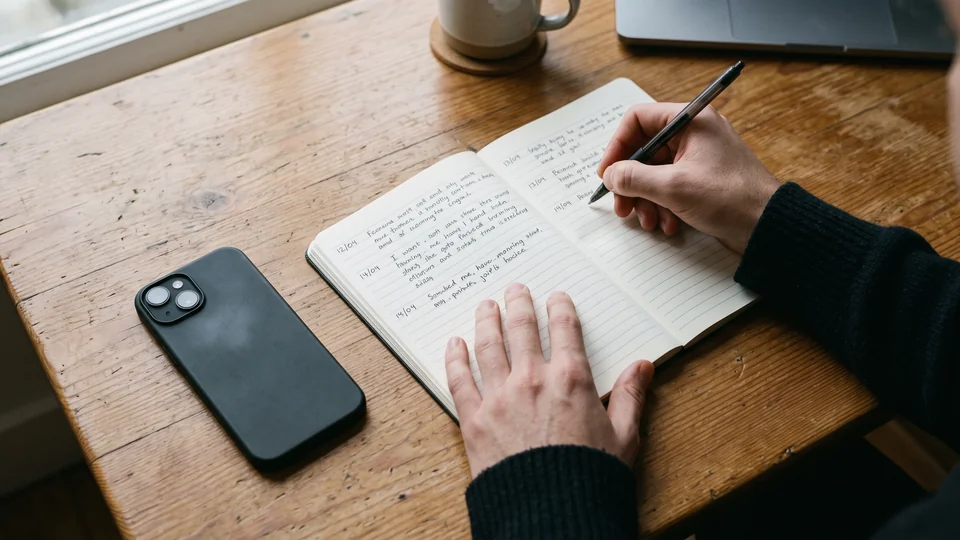
Write down what happens
An EEOC guide says to keep records and to document how you were treated. In the UK, Acas, the public workplace advice service, says a diary or record is a good idea. Together, the EEOC and Acas name these things to write down:
- Write down what happened, and how it made you feel.
- Write down the date and the time.
- Write down who saw what happened. Add each person’s phone number and address, if you have them.
- Write down how you were treated at work.
- Keep any evidence, such as emails. Acas also names screenshots of social media posts.
No witnesses? Acas says most bullying happens out of sight, and that shouldn’t stop you reporting it.
Tell your employer, if you can
The EEOC’s guide says to tell the person to stop. If you aren’t comfortable doing that, or the harassment doesn’t stop, tell your employer. Your company’s harassment policy should say who handles complaints. If you aren’t comfortable with that person, talk to another manager.
Deadlines in the US: what the EEOC says
You generally have 180 calendar days to file a charge, the EEOC’s word for a formal complaint. The limit is 300 days if a state or local agency enforces a law against the same kind of discrimination. For harassment, the days count from the last incident. The EEOC can tell you which limit is yours.
Telling your employer generally doesn’t pause these limits. The EEOC says an internal complaint, a union grievance or mediation generally doesn’t extend the limits.
Federal employees and job applicants have a different process. The EEOC says federal employees and applicants generally have 45 days to contact an agency EEO counselor.
Not sure how long you have? The EEOC says to contact a field office as soon as possible. Call the EEOC on 1-800-669-4000, or read the EEOC’s page on time limits. The EEOC says filing is free, and you don’t need a lawyer to file.
In Canada: what the Labour Program says
Canada’s federal Labour Program has steps for federally regulated workplaces, such as banks, airlines and telecoms companies. For other workplaces, contact your provincial or territorial department of labour.
The Labour Program says you can give your employer a notice of occurrence, by speaking or in writing. The notice needs the names, if you know them, the date and a detailed description.
You can give notice even for events from years ago. The Labour Program says your employer has 7 days to respond.
In the UK: what gov.uk says
The UK government’s gov.uk site says you usually have 6 months from the problem to make a claim to an employment tribunal. If the problem happened before 1 October 2026, you may have only 3 months. These tribunal steps are for England, Wales and Scotland.
You usually need a certificate from Acas before you claim, gov.uk says. You can contact the Acas helpline with questions.
Ask about your own case
This page says what the agencies say. Your deadline and your rights depend on where you work. Ask a lawyer, a legal aid office or the agency about your own case.
Keep a copy in Underlock
Underlock is coming soon to the App Store. Here’s how it will work.
Underlock is only somewhere to keep copies, in a vault on your iPhone. You open your vault by drawing a pattern on a grid of dots. Your iPhone passcode doesn’t open your vault.
Importing puts a copy of each photo in your vault. Keep the originals where they are until a lawyer or the agency says otherwise.
- In Underlock, tap the Add button (a plus sign), then Import from Photos or Import from Files.
- Choose what you want in your vault.
- Keep Underlock open until the import finishes.
- When Underlock asks Remove the originals from Photos?, choose Keep. For a file, Underlock asks Remove the original from Files? Choose Keep there too.

Need to send a copy to a lawyer or the agency? Open the file, then tap Share. Underlock asks first, because a shared file leaves your vault and is no longer encrypted. Underlock takes the location off a shared file unless you say otherwise. To leave the location on the file, turn off Remove location. Then tap Share.
Underlock doesn’t change the law, and Underlock can’t say whether a copy counts as evidence. Ask a lawyer or the agency.
What Underlock does
- Somewhere to keep copies. Your vault holds copies of your notes, photos and files, encrypted on your iPhone before they’re saved. To write a note in your vault, tap Add, then New note.
- A separate lock. Your vault opens with your own pattern, not your iPhone passcode or Face ID.